

Blocked drains are a common problem in the home. A blocked drain can start as a slow sink, a gurgling toilet, or bad smells, and it can quickly turn into flooding and damage. The good news is that most blockages build up over time, so it is often easy to prevent blockages if you know what causes them.
Fat, Oil, and Grease Build-Up in Drains
Fat oil and grease are among the most common causes of blocked drains. When cooking oil, grease, or fat oil goes down the kitchen sink, it cools inside the pipes. It then sticks to the sides and traps other waste, which helps a blockage build. Over time, the drain gets narrower and water cannot move through properly.
To prevent blockages, let fat cool in pans, plates, and trays first, then wipe them and put the waste in the bin. Try to scrape food scraps and food waste into the bin before washing up. This small change, done day after day, can stop a blocked drain before it starts.
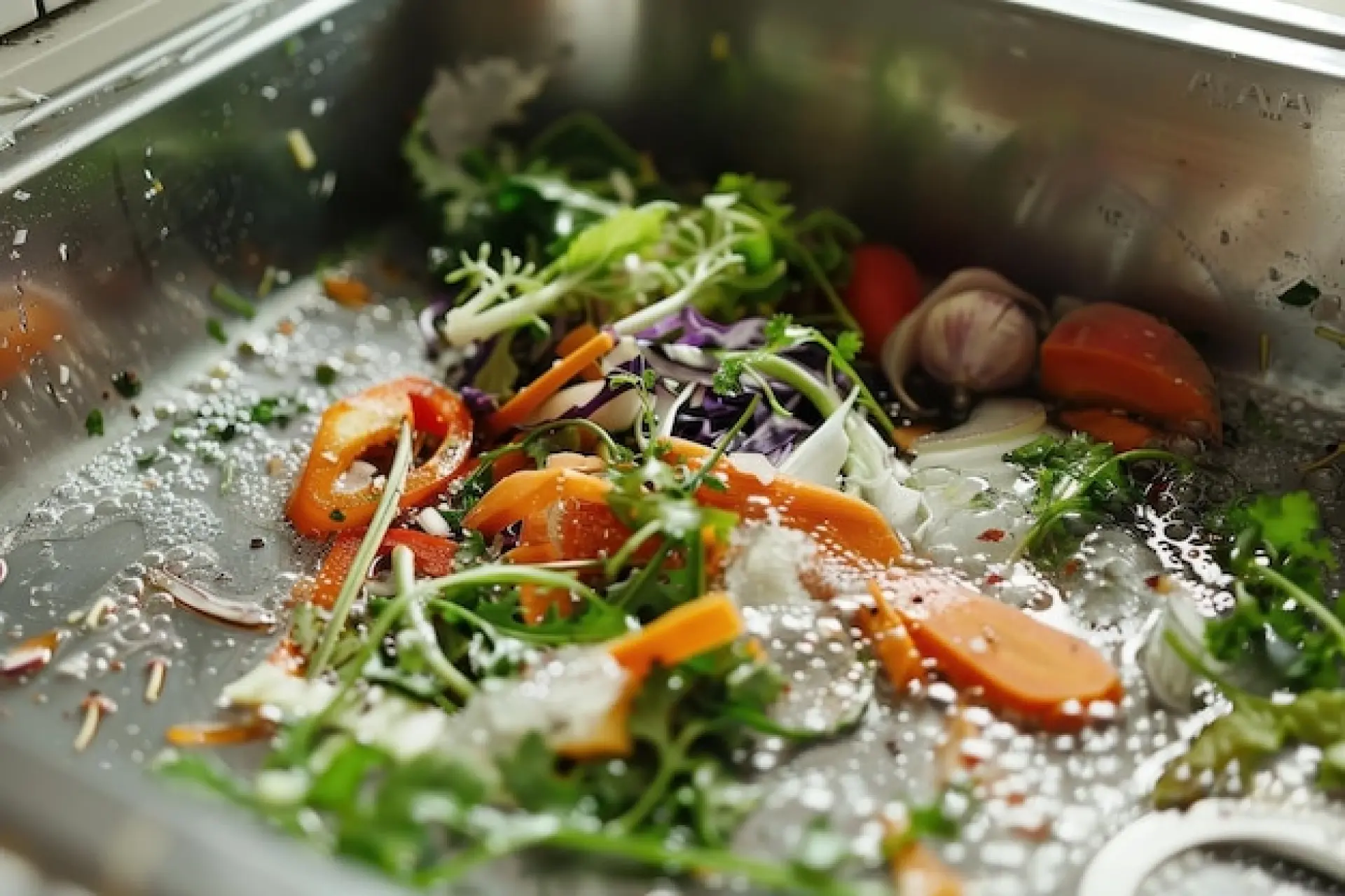
Food Waste, Coffee Grounds, and “Everything Else” in the Kitchen
The kitchen sink is a common place for blockages because many things get washed away without people noticing. Food scraps, rice, pasta, and coffee grounds can swell, clump, and sit in bends in the pipes. Even if water still flows, these items can build up and later cause a full blockage.
A simple habit is to use a plughole strainer and empty it into the bin. If you have a lot of cooking, take an extra moment to clear the sink after meals, because small bits of debris add up over time. This is one of the easiest ways to prevent blockages in sinks.
Toilet Paper, Wet Wipes, and Other Items Flushed by Mistake
Toilets are designed for human waste like poo and pee, plus toilet paper. Many “flushable” items do not break down easily in water. Wet wipes, sanitary products, sanitary items, nappies, cotton buds, and other sanitary products can snag in pipes and cause blockages. Once stuck, they catch paper and wastewater debris, which makes the blockage worse.
If your toilet blocks often, it may be caused by more than one issue, such as too much toilet paper at once, items being flushed, or a problem in the sewer. A good rule is to flush only toilet paper and human waste. Everything else should go in the bin, even if it seems small.

Hair, Soap Scum, and Bathroom Build-Up
Hair is a common cause of blocked drains in the bathroom, especially in the shower. Hair twists together with soap scum and other debris, forming a tight clump that water cannot pass through. This can also affect bathroom sinks if hair and toothpaste residue build up over time.
A hair catcher can make a big difference, but it only works if you remove the hair often. Cleaning it every few days stops the build-up before it becomes a blockage. If soap scum is an ongoing issue, regular cleaning helps keep pipes clear and reduces drainage problems.
Limescale and Hard Water Deposits
In many parts of England, hard water leaves limescale inside pipes. This narrows the space for water to flow and can make blockages more likely, especially when combined with grease or hair. Limescale can also cause problems in older pipes over the year, where the inside surface becomes rough and catches waste more easily.
If you live in a hard water area, steady maintenance matters. You can sometimes clear light build-up by flushing through hot water, but be careful with boiling water. Boiling water can damage some plastic pipes and seals, so hot tap water is a safer choice for regular use.
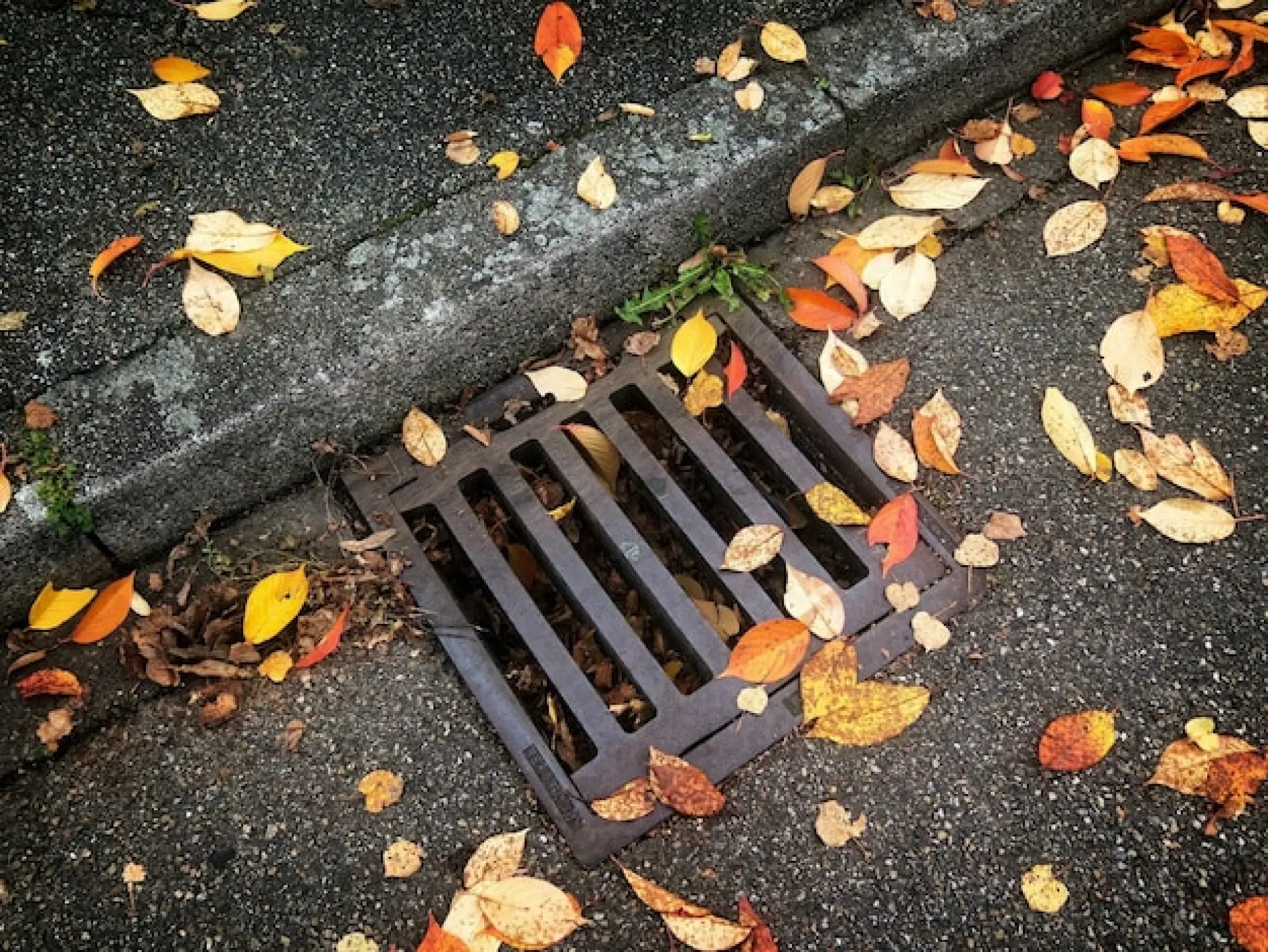
Leaves, Outdoor Debris, and Flooding Risks
External drains deal with rainwater, so they collect leaves, twigs, and general debris. When these block drains, water cannot drain away and it can lead to flooding around the property. This can cause damp, smells, and even damage to walls or paths if it keeps happening.
Clearing leaves from gutters and drain covers helps stop outdoor blockages. After storms, it is worth taking a quick look, because problems can build quickly in a small area.
Tree Roots, Cracked Pipes, and Hidden Breaks
Sometimes blockages are caused by damaged pipes rather than everyday waste. Tree roots can find tiny gaps, then grow inside pipes and cause a blockage that will not clear easily. Pipes can also break or crack over time, especially if the ground shifts or heavy vehicles pass nearby. A break can let soil in, which blocks the drain, or it can let water out, which may cause sinking ground.
If blockages keep coming back even after you clear them, it may point to a bigger issue like a crack, a poor joint, or roots. In these cases, drain unblocking may need specialist tools, and a plumber may need to check the line to find the real cause.
Shared Drains, Sewers, and Who Has Responsibility
In England and Wales, responsibility can depend on where the blockage is. The pipework inside your home is usually your responsibility. The drain outside may also be yours up to a certain point, often linked to the property boundary. Beyond that, it may connect to a shared drain or a public sewer, which is often handled by the local water company.
This can matter if you share pipes with neighbours. A blockage in a shared section can affect more than one home, and access might be needed from a manhole in a garden or driveway. If you are not sure where the problem sits, it is sensible to get advice before you pay for work that should be handled elsewhere.
Signs of a Blocked Drain and What to Do Quickly
Common signs include slow draining sinks, toilets that rise high before they flush, bad smells, and gurgling sounds. Water backing up in a shower or bath after flushing the toilet can also be a warning sign. If you find these early, it is often easier to remove the blockage before it becomes a larger problem.
If you have a minor blockage, you may be able to clear it with careful cleaning and safe products. If the issue does not improve, or if you see wastewater coming back up, it is best to stop using water and contact a professional quickly. Fast action can reduce damage, cost, and the chance of flooding.
Prevent Blockages with Simple Habits That Work
To prevent blockages, focus on what goes into your drains each day. Put grease, oil, and food waste in the bin, not down the sink. In the bathroom, remove hair from shower catchers and keep soap scum under control. In toilets, flush only toilet paper and human waste, and keep wet wipes, cotton buds, and sanitary products out of the system.
These steps protect your pipes, reduce drainage problems, and help the environment by cutting down on wastewater issues and overflow risks in sewers.
When to Get Help with Drain Unblocking
If you cannot clear a blockage, or if it keeps returning, it may need a proper check. A registered professional can help locate the cause and fix it safely, especially if there is a break, roots, or a problem near the sewer. If the blockage affects more than one property, it may be linked to shared drains or a public sewer, so it is worth checking responsibility before arranging work.
If you need support, get in touch for advice and to discuss access, likely causes of blockages, and the best next steps. Some services operate 24 7 for urgent blocked drains, but it is still helpful to explain what you have noticed, such as which sinks, toilets, or the kitchen sink are affected, and how long the issue has been happening.
Blocked drains are a common issue no matter where you are. Midlands Drainage Solutions LTD provides specialist drain services to help keep your drains clear, clean and free from obstructions. Call today for drain unblocking in Crewe, Chester, Stafford, Stoke-on-Trent


