What jetting and vacuumation mean
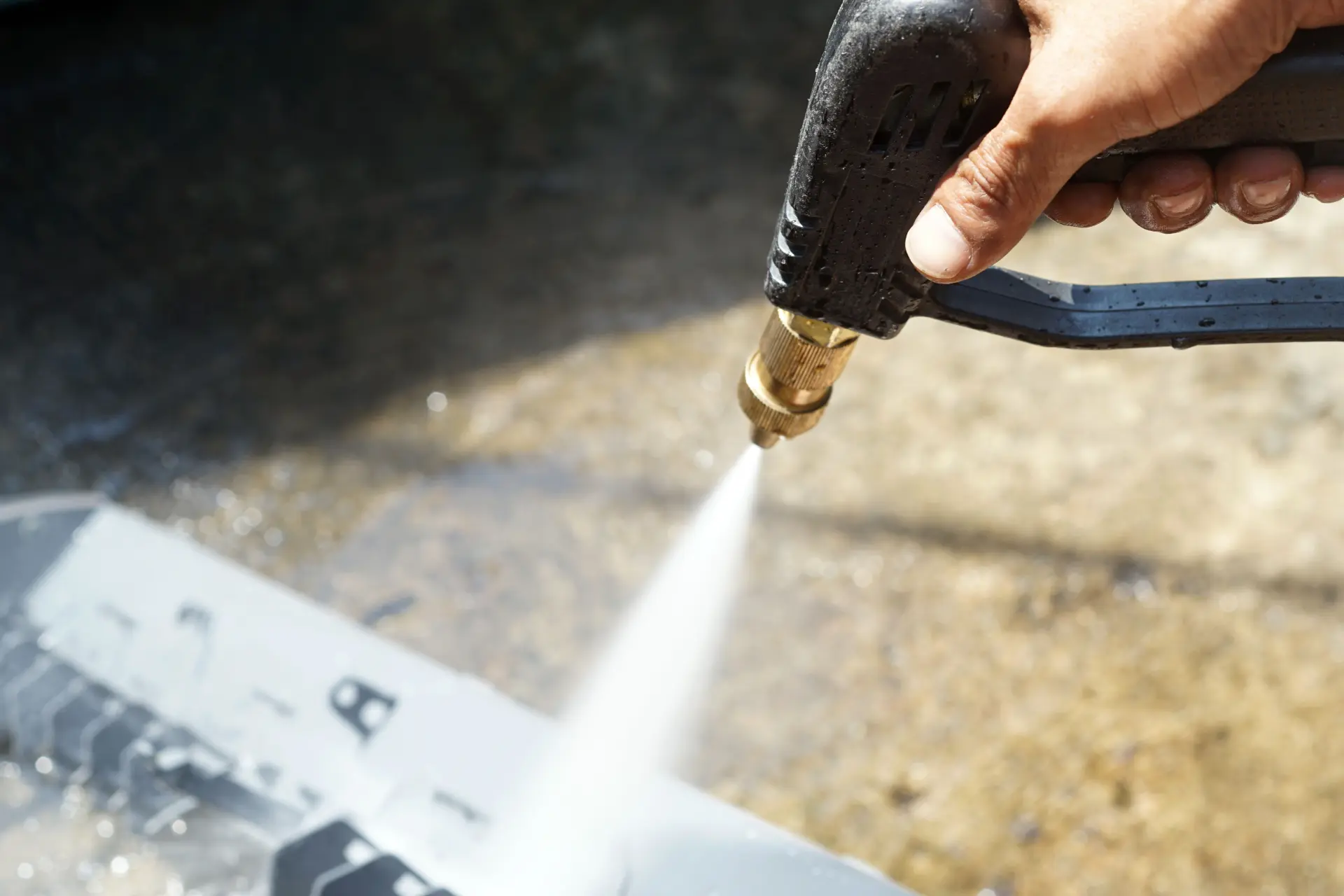
Jetting is the use of clean water at high pressure to clear and clean drains, pipes and tanks. The water flow is directed through a hose to a nozzle that focuses the force. This breaks apart blockages and scrubs the inside of the pipe. The aim is to restore the drain's flow and leave a smooth surface so that waste can move freely.
Vacuumation is the safe removal of waste by suction. It uses a powerful pump which creates a vacuum inside a sealed tank on a lorry. Hoses are lowered down into a drain, gully, interceptor or tank, and the waste is lifted and contained without any mess.
Both methods help maintain drainage systems. Jetting removes the cause of poor flow, while vacuumation removes the material that would otherwise settle again. Used together, they give a complete deep clean, and this lowers the chances of repeat blockages.
These services also protect your surrounding environment. Waste is contained, transported and disposed of at approved sites. Surfaces are left clean, which helps to eliminate odours and pests gradually. It also allows workers to stay at ground level, which improves safety levels.
The key tools used for each method
Jetting needs a water tank, a high-pressure pump, a hose reel and a selection of nozzles. The pump pressurises water from the tank, and the hose carries the water to the work area. The nozzle shape controls how the water hits the blockage. Some nozzles pull the hose forward, yet others can spin to scrub the pipe wall.
Common jetting nozzles include penetrating, flushing and root cutting types. Penetrating nozzles tend to focus the water into a tight jet, which punches through hard plugs. Flushing nozzles spray backwards to push debris to a point where it can be removed. Root cutters have chains or blades driven by water to shave soft roots and scale.
Vacuumation equipment centres on a suction pump and a sealed debris tank. Large diameter hoses connect the pump to the drain or vessel. For wet waste, the system lifts liquids and solids together. For dry waste, there may be a filter stage to stop the dust from entering the pump. Extensions and gulley tubes are also great, as they can help reach awkward places.
Support tools make the work faster and safer. CCTV drain cameras check the pipe condition before and after cleaning, whereas gas detectors monitor confined spaces. Traffic control keeps people away from open covers. All local operators will wear some form of protective gear and follow site risk plans.
How high pressure water breaks up blockages
High-pressure water carries energy. When the jet hits a blockage, that energy transfers into cracks, gaps and weak points. The jet cuts channels through soft materials, like grease and rags. Once the surface has been broken, water widens the path, and the flow carries its fragments away.
The angle of the jets also matters; for example, forward jets open the way, whereas rear jets drive the nozzle along and pull debris backwards. Spinning jets sweep the full pipe wall, making sure there are no untouched spots, and by swapping nozzles, the operator matches the spray pattern to the problem.
It is also paramount that the pressure and flow are balanced. Higher pressure gives cutting power. Higher flow moves loosened material out of the pipe. If the pressure is too low, the jet will not be enough to clear it fully. If the flow is too low, debris will settle again. Trained crews will set the machine to suit the exact pipe size, material and blockage type.
Water is gentle on sound pipes when used correctly, and it does not add any heat or harsh chemicals. It also reaches bends and changes in level. This makes jetting much more effective in long or complex pipe runs that would usually be hard to clean by hand.
Types of drains and tanks that benefit most
Foul water sewers and soil stacks benefit from jetting and vacuumation because they often accumulate grease, soap scum, and tissue. Plenty of drain cleaning helps to keep the flow steady and reduces the risk of backups. It also helps control bad smells in busy private or public buildings.
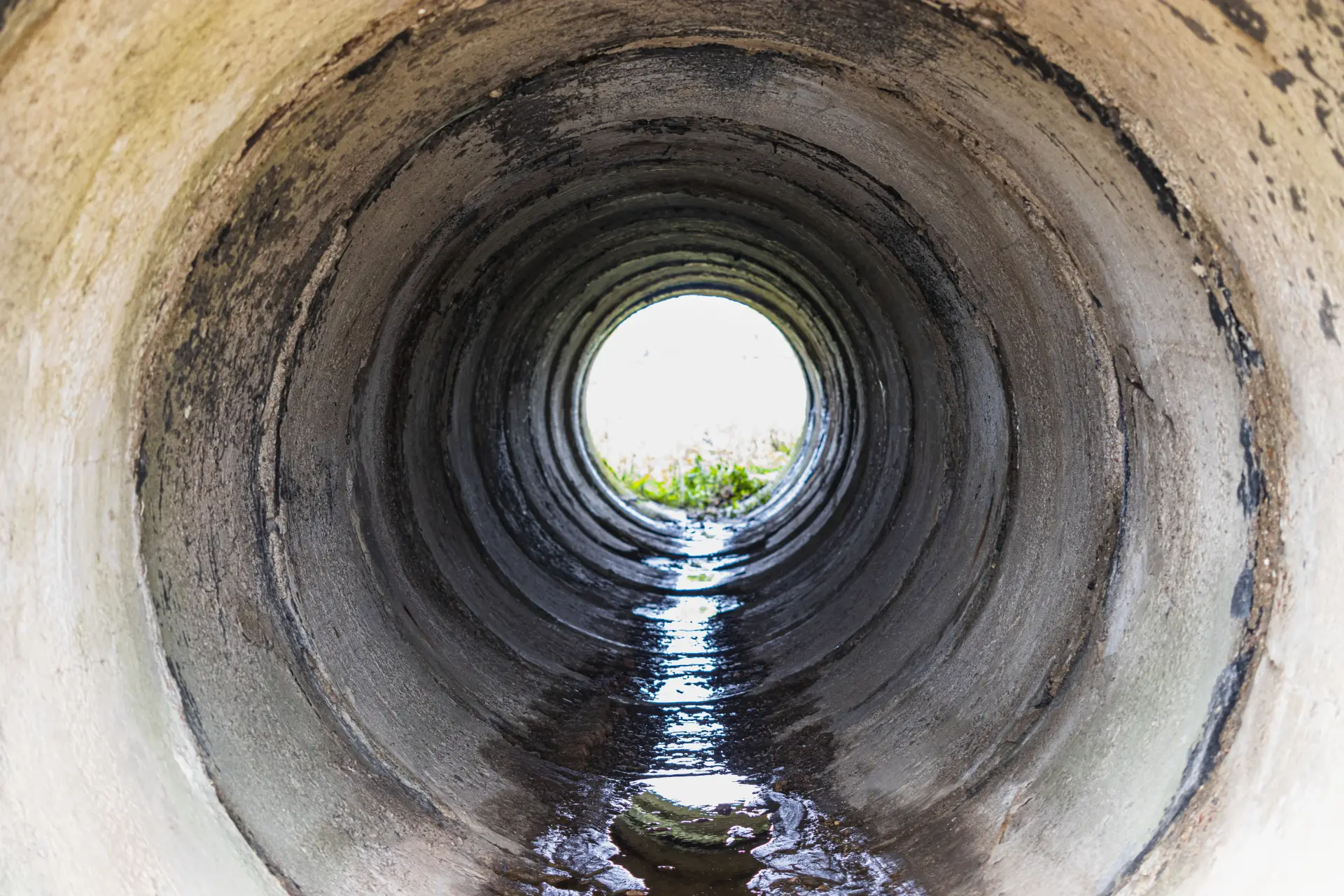
Surface water drains, gullies, and culverts collect lots of leaves, silt, and litter all throughout the year. These materials wash in during rain and settle in quieter seasons, so jetting helps to lift the sediment, and vacuumation removes it quickly. Keeping these lines clear helps you to skilfully avoid local flooding.
Industrial sites use interceptors, sumps and process drains. These can trap oils, grit and product residues. A combined clean is a great way to remove liquids and solids from your drain, keeping the system within permit limits. It also reduces the wear and tear on pumps and prevents any damage to downstream equipment.
Storage vessels such as septic tanks, grease traps and balance tanks need routine emptying and cleaning. Vacuumation removes the contents and sludge layer of your system, whereas jetting washes the interior walls, baffles and outlets. These methods restore capacity and make sure all the sensors and valves work as they were designed to.
Handling grease, silt, grit and sludge
Grease behaves like a soft wax inside pipes. It coats the wall and narrows the bore. Hot water jetting helps soften and strip it away. A flushing nozzle then drives the grease to a point where it can be removed by vacuum. Proper disposal should always follow local rules, as doing so will protect treatment works.
Silt and grit are much heavier, and because of this, they settle in low spots and chambers. A high flow jet will stir the bed into suspension, then, vacuumation lifts the mixture before it can resettle. Using both methods at a time avoids leaving a thin layer that could soon build up again.
Sludge is a mix of water and solids that can be sticky, so it needs some agitation to move. Rotating jet heads can break it up and wash it towards the suction hose. Operators may work in stages along a long line to control the movement and keep the hose in the best spot.
Midlands Drainage Solutions LTD provides professional drain jetting and vacuumation services across Crewe, Chester, Stafford and Stoke-on-Trent. Our trained engineers deliver fast, reliable and safe drainage maintenance for both domestic and commercial properties.