Discover how often you should schedule drain maintenance in Crewe to prevent blockages and costly repairs. Keep your pipes flowing smoothly with our expert services.
Why Regular Drain Maintenance Matters
Regular drain maintenance matters because drainage problems often build up slowly before they become obvious. Grease, soap, hair, food waste, leaves, silt, and other debris can collect inside pipes over time. At first, this may only cause slow draining water or a faint smell. If it is ignored, it can lead to a full blockage, overflow, or damage to the pipework.
Planned maintenance helps keep drains clear and working properly. It can remove early build-up, reduce pressure inside the system, and show signs of damage before they become serious. This is useful for homes, businesses, landlords, and older properties.
Regular care also gives you more control. Instead of waiting for an emergency, you can choose a suitable time for checks and cleaning. This can reduce stress, protect your property, and help avoid sudden disruption to daily life or work routines, particularly during wet weather or busy periods each year.
How Often Should You Schedule Drain Maintenance?
How often you should schedule drain maintenance depends on the property, how heavily the drains are used, and whether there have been problems before. For many homes, a yearly check is a sensible starting point. This can help keep the system clear and spot early signs of damage.
Some homes need maintenance more often. If the property has older pipework, large trees nearby, frequent blockages, or a large household, checks every six months may be more suitable. Outdoor drains and gullies may also need clearing after autumn or periods of heavy rain.
Businesses often need a more regular plan because their drains usually handle heavier use. Offices, shops, schools, care homes, and public buildings may benefit from scheduled checks several times a year, depending on footfall and risk. Commercial kitchens usually need the most frequent maintenance because grease, food waste, and cleaning water can quickly build up inside drains.
Landlords may also choose regular maintenance to protect tenants and reduce emergency callouts. For rental homes, an annual check can be useful, with extra visits if there are repeated issues.
There is no single timetable that suits every building. The best approach is to look at age, usage, past drainage history, and the cost of disruption if something goes wrong.
If drains are slow, noisy, smelly, or blocking often, maintenance should be arranged sooner rather than waiting for the next planned visit. A planned schedule should also be reviewed after repairs, floods, building work, or repeated tenant complaints without unnecessary delay.
General Drain Maintenance Guidelines
As a general guide, most homes should have drain maintenance once a year. This is often enough for properties with modern pipework, normal use, and no history of drainage problems. It helps keep the system clear and gives an early warning of faults. Properties with higher risk may need checks every six months. This includes homes with older drains, nearby trees, regular blockages, or outdoor gullies that collect leaves and mud. Businesses may need quarterly maintenance, or more often if drains are used heavily.
Commercial kitchens, food premises, and busy public sites may need monthly or even more frequent checks, depending on grease levels and daily use. These guidelines should be adjusted if warning signs appear. Slow drainage, bad smells, gurgling sounds, or overflowing gullies mean maintenance should be brought forward. It is better to act early than wait for a full blockage, overflow, costly repair, or serious flood damage.
Drain Maintenance for Homes
For most homes, drain maintenance should usually be carried out once a year. This gives a good balance between prevention and cost. During a yearly visit, drains can be checked for blockages, debris, slow flow, and signs of damage. Outdoor gullies and manholes can also be inspected. Some homes need more attention. A larger household may put more strain on drains because more showers, baths, toilets, washing machines, and kitchen sinks are used each day. Homes with young children may also face a higher risk of wipes, toys, or other objects entering the drainage system.
Older homes can have weaker pipework or layouts that are more likely to collect waste. Homes with trees nearby may face root growth, which can enter small cracks or joints. These properties may benefit from maintenance every six months.
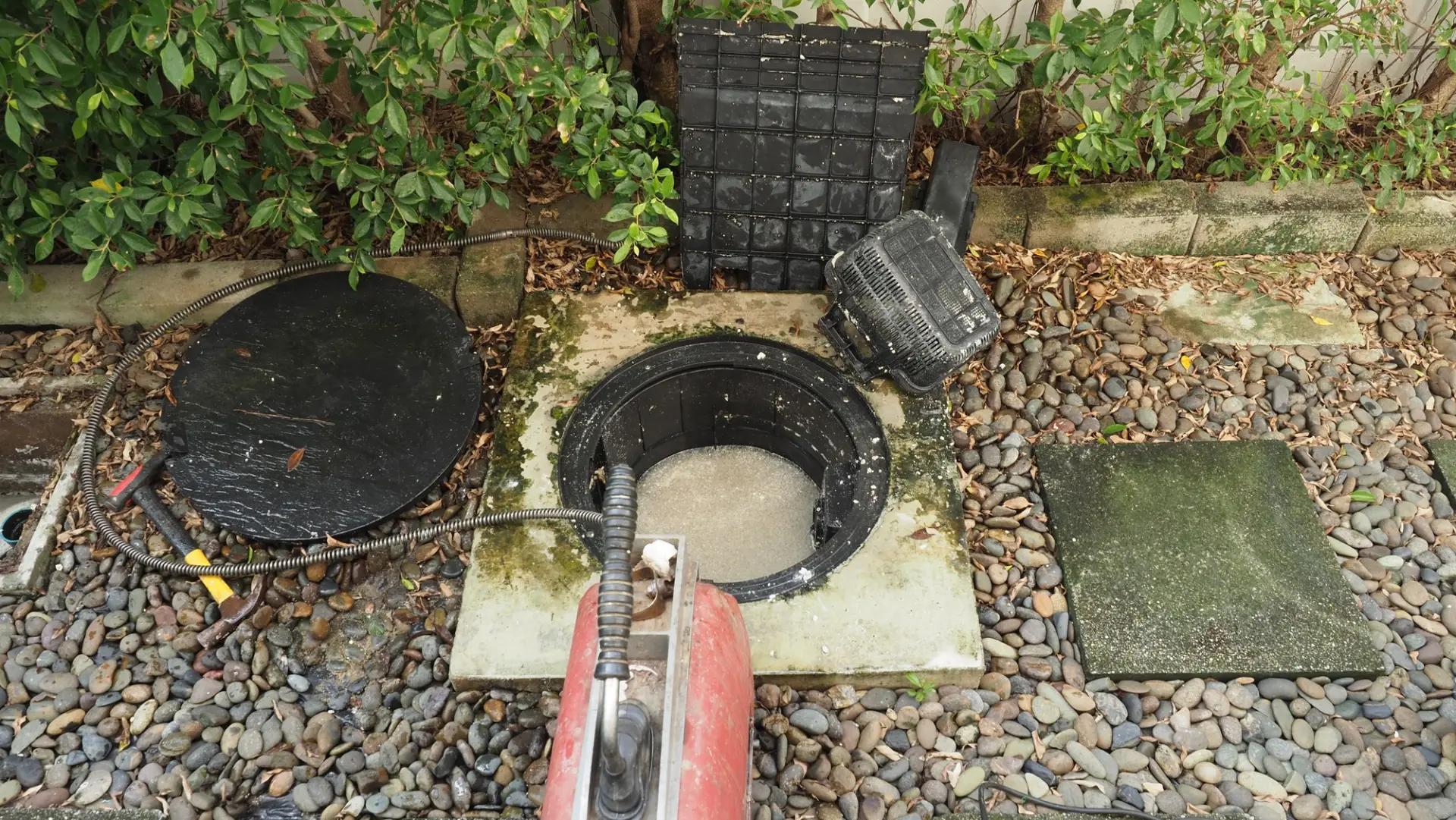
Good habits between visits can also help. Avoid pouring fat, oil, and grease down the sink. Do not flush wipes, cotton pads, nappies, or sanitary products. Keep outdoor drain covers clear of leaves, soil, and garden waste.
If there are signs of trouble, do not wait for the next planned check. Slow sinks, repeated toilet blockages, unpleasant smells, or water backing up should be looked at sooner. For homes, regular drain maintenance is mainly about comfort, hygiene, and avoiding stress.
A simple planned visit can prevent a sudden problem that affects the whole household. It also helps protect bathrooms, kitchens, utility rooms, patios, driveways, and gardens from avoidable water problems and avoid needless emergency repair costs.
Drain Maintenance for Businesses
Businesses should usually schedule drain maintenance more often than homes because their drainage systems are used more heavily. The right schedule depends on the type of business, the number of people using the building, and the risk caused by a drainage failure.
For many offices, shops, and small workplaces, maintenance every three to six months may be suitable. Busy sites, public buildings, schools, care settings, and places with shared toilets may need more regular checks.
Drain problems can affect customers, staff, stock, equipment, and opening hours. A blockage during a busy day can cause lost income and complaints. Planned maintenance helps businesses stay open and avoid disruption. It can also support hygiene and safety, especially where customers or visitors use the premises. Businesses should keep records of maintenance visits, as these can help show that reasonable care has been taken to manage drainage risks, property responsibilities, and legal duties properly.
Drain Maintenance for Commercial Kitchens
Commercial kitchens usually need more frequent drain maintenance than most other sites. This is because they produce grease, fats, oils, food waste, cleaning water, and heavy daily wastewater. These materials can build up quickly inside pipes and create stubborn blockages.
For many commercial kitchens, monthly maintenance is a sensible starting point. Very busy kitchens, large restaurants, hotels, school kitchens, and food production sites may need more frequent checks. Smaller cafes or kitchens with lighter use may need less, but they should still have a clear plan. Grease is one of the biggest risks. When hot fat or oil enters a drain, it can cool and stick to the inside of the pipe. Over time, it traps food particles and other waste, making the blockage larger. This can lead to slow drainage, foul smells, and overflows.
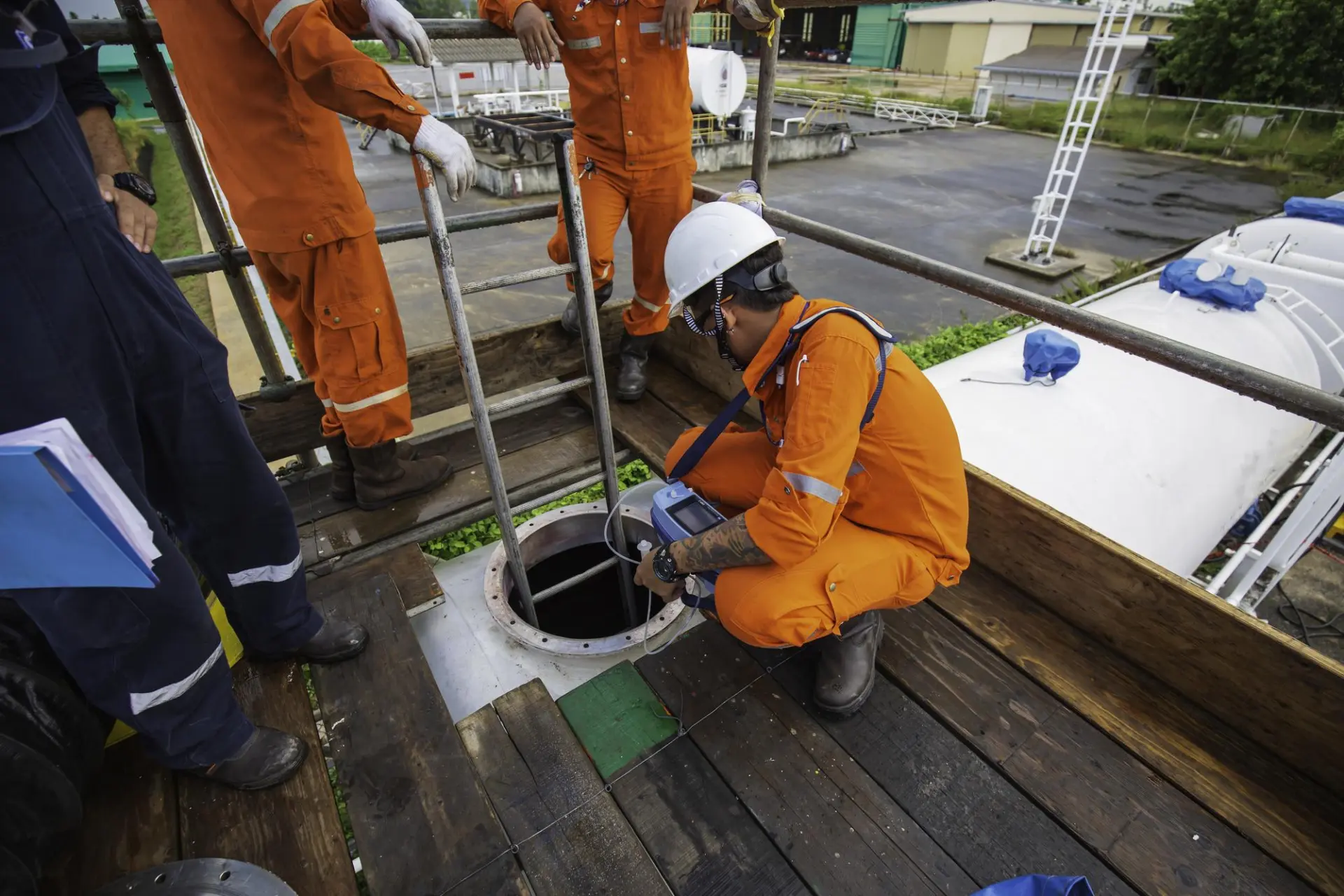
Good kitchen habits are important, but they do not replace maintenance. Grease traps should be cleaned as required, food waste should be kept out of sinks, and staff should understand what can and cannot go down the drain. Even with good practice, regular checks are still needed.
A drainage failure in a commercial kitchen can be serious. It may lead to closure, hygiene concerns, customer complaints, and costly cleaning. Planned drain maintenance helps reduce those risks. It keeps water moving, supports food safety, and helps the kitchen continue working without sudden disruption. It also makes it easier to spot patterns, such as repeated grease build-up in the same areas over time and cleaning records.
Drain Maintenance for Landlords
Landlords should schedule drain maintenance regularly to protect their properties and support tenants. In many rental homes, an annual drain check is a sensible starting point. This can help spot build-up, damaged pipes, blocked gullies, or early warning signs before tenants face serious disruption.
Some rental properties may need checks every six months. This is more likely if the building is older, has several tenants, has shared drains, or has a history of blockages. Houses in multiple occupation may need closer attention because the drainage system is used by more people. Regular maintenance can reduce emergency callouts and help avoid disputes.
It also helps protect floors, walls, gardens, and shared areas from water damage. Clear advice for tenants is useful too. They should know not to flush wipes, nappies, cotton pads, or sanitary products, and not to pour fat or oil down sinks or outside gullies and maintenance records.
Drain Maintenance for Older Properties
Older properties often need more frequent drain maintenance because the drainage system may have age-related weaknesses. Pipework may be made from older materials, joints may have moved, and the layout may not meet modern standards. Over time, cracks, dips, root entry, and silt build-up can become more likely.
For many older homes and buildings, maintenance every six months is sensible. If there is a known history of blockages, leaks, or root damage, more frequent checks may be needed. A CCTV drain survey can also be useful because it shows the condition of the pipes below ground.
Tree roots are a common issue for older drains. Roots can enter through small cracks or open joints in search of moisture. Once inside, they can trap waste and grow into a major blockage. Regular cleaning and inspection can help manage this risk.
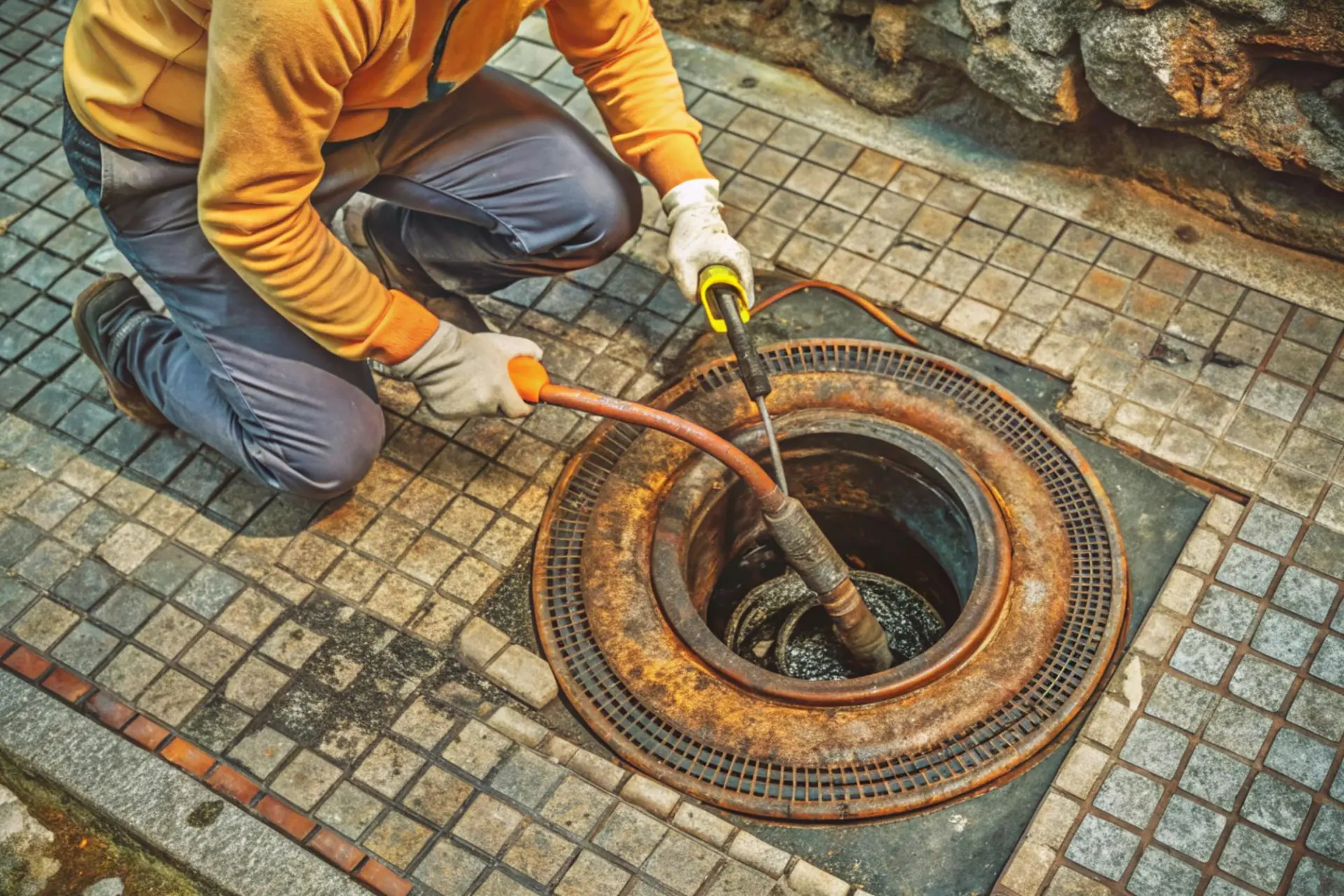
Older properties may also have hidden drainage layouts. Pipes may run under extensions, gardens, driveways, or neighbouring land. This can make emergency repairs more difficult, so prevention becomes even more important.
Maintenance can help owners plan repairs calmly rather than reacting to a sudden failure. If a small problem is found early, it may be possible to use a less disruptive repair method. This can be much better than waiting for a collapse or overflow.
For older properties, regular drain maintenance is about keeping water moving, understanding system condition, and protecting the building from avoidable damage. This steady care can help preserve the property for years with fewer problems.
Factors That Affect How Often Drains Need Maintenance
Several factors affect how often drains need maintenance. The age of the property is one of the most important. Older drains may have cracks, loose joints, or pipe shapes that allow debris to collect more easily.
Usage also matters. A large household, busy office, school, restaurant, or shared building will place more demand on the drainage system than a small home. More use means more wastewater and a higher chance of build-up. The surrounding area can also make a difference.
Trees can lead to root damage, while gardens and driveways may send leaves, soil, and silt into outdoor drains. Heavy rainfall can put extra pressure on surface water systems. Past problems should guide the schedule too. If a property has repeated smells, slow drainage, or blockages, it needs more frequent care. The right maintenance plan should match the real risks of the building, not a fixed rule or guess.
Signs You Need Drain Maintenance Sooner
There are several signs that drain maintenance is needed sooner than planned. Slow draining water is one of the clearest warnings. If sinks, baths, showers, or toilets take longer to empty, there may be a partial blockage forming inside the pipe.
Bad smells are another common sign. Odours from sinks, gullies, toilets, or outdoor drains can mean trapped waste, stagnant water, or damaged pipework. Gurgling sounds can also suggest that air is struggling to move through the system because water flow is restricted.
Water backing up is a more serious warning. If wastewater rises in a sink, toilet, shower, or external gully, maintenance or urgent help may be needed quickly. Overflowing manholes or standing water outside should also be taken seriously.
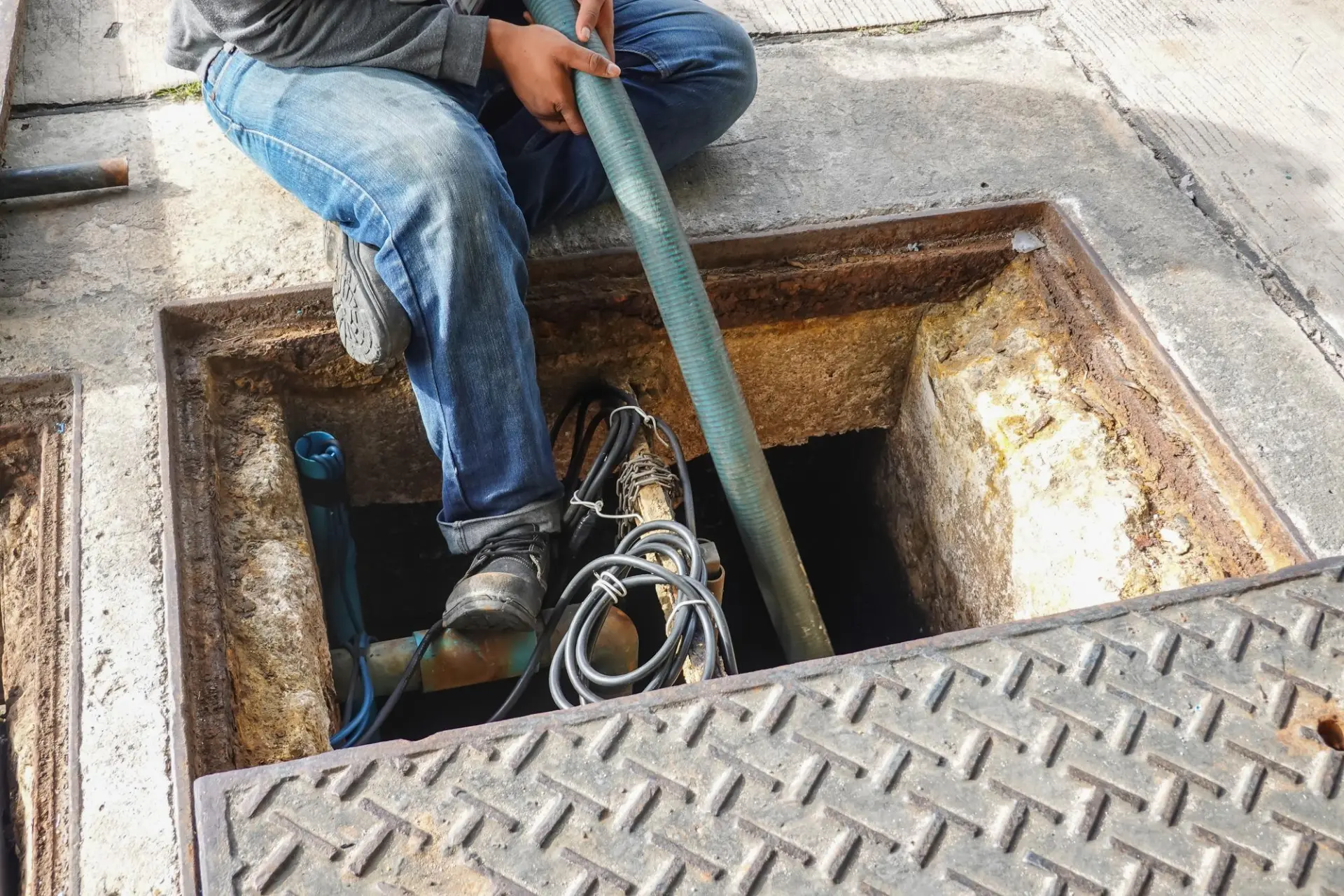
Repeated blockages in the same place can point to a deeper issue. There may be grease build-up, root growth, a damaged pipe, or a poor pipe gradient. Clearing the blockage may only give short-term relief unless the cause is found.
Other signs include damp patches, insects around drains, cracked ground near pipe routes, or water pooling after rain. In a business, customer or staff complaints about smells or slow toilets should also be acted on.
If any of these signs appear, it is better to arrange maintenance early. Waiting can allow the problem to grow, making it more costly and disruptive to fix. Early action can protect the property, reduce repair costs, and keep the system working safely before any damage spreads through the building or grounds.
What Happens During Drain Maintenance?
During drain maintenance, the drainage system is checked, cleaned, and assessed for signs of trouble. The work may start with a visual inspection of sinks, gullies, manholes, covers, and visible pipework. The aim is to find signs of slow flow, damage, smells, or standing water.
Cleaning may then be carried out to remove grease, silt, leaves, hair, soap residue, and other debris. This helps restore better flow through the pipes. Outdoor drains may also be cleared so rainwater can move away from the property. If there are warning signs, a more detailed inspection may be recommended. This could include a CCTV drain survey to look inside the pipes below ground.
The visit may also include advice. You may be told how often future checks are needed, what habits to avoid, and whether repairs should be planned. This helps prevent repeat problems and keeps drains working more reliably throughout the year.
How CCTV Drain Surveys Help With Maintenance
CCTV drain surveys can be very useful as part of drain maintenance. A small camera is placed into the drainage system so the inside of the pipes can be seen clearly. This helps identify problems that would be hard to spot from the surface.
A survey can show cracks, displaced joints, root growth, collapsed sections, scale, silt, grease build-up, and poor pipe alignment. It can also show where repeated blockages are forming. This makes it easier to understand whether a drain only needs cleaning or whether repair work is needed.
CCTV surveys are especially helpful for older properties, commercial buildings, rental homes, and sites with repeated drainage problems. They can also be useful before buying a property, after building work, or when planning major repairs.
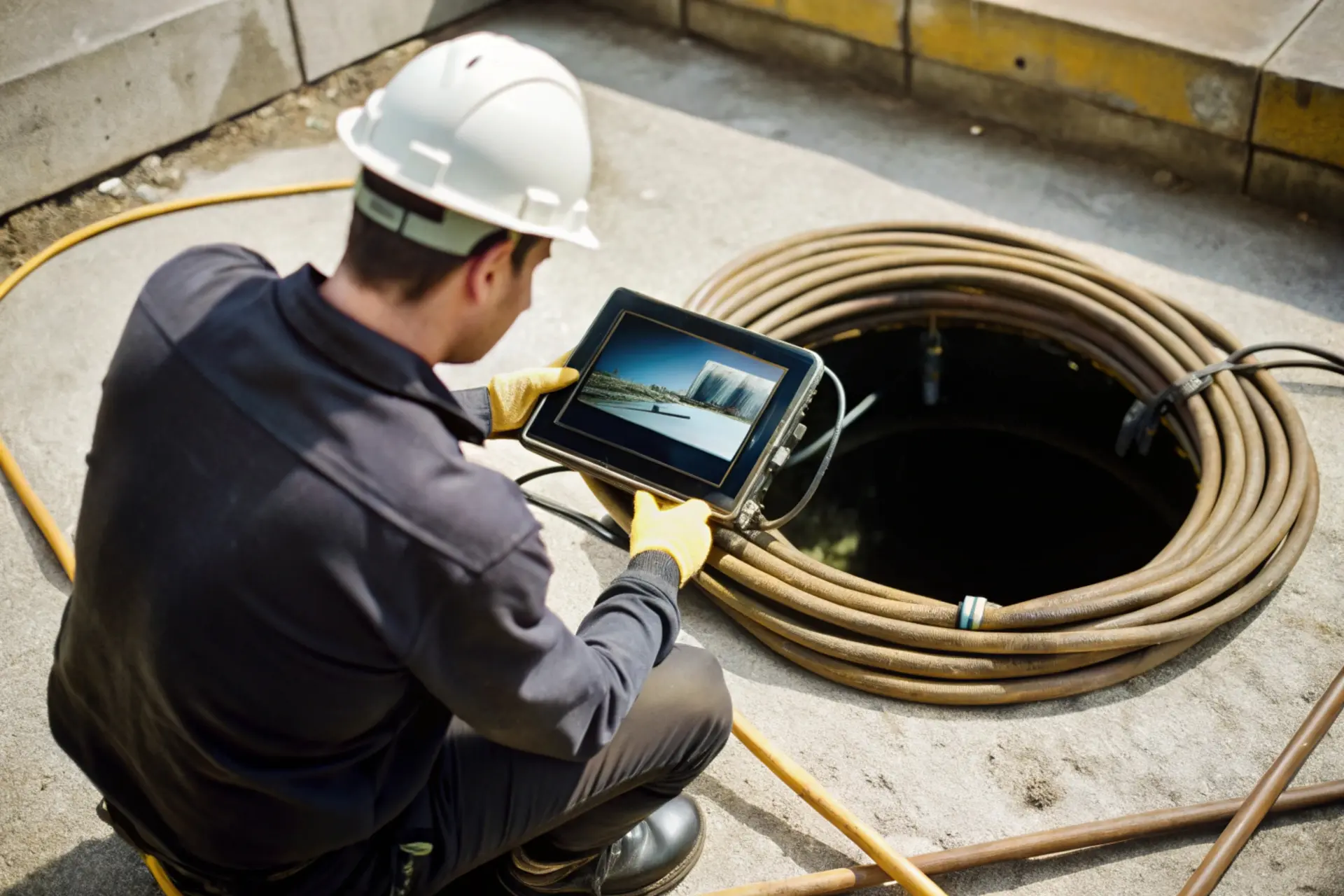
The main benefit is accuracy. Without a camera, it can be difficult to know what is happening below ground. A blockage might be cleared, but the real cause could remain. With survey footage, the problem can be located and assessed more clearly.
This can save time and money. Instead of guessing, the drainage specialist can recommend the right action. That might be cleaning, root removal, local pipe repair, lining, or a more detailed repair plan.
For maintenance, CCTV surveys do not always need to be carried out at every visit. However, they are useful when there are warning signs, repeated issues, or concerns about the condition of the system. They help turn drain care from guesswork into informed planning for everyone involved long term.
Planned Maintenance vs Emergency Drain Repairs
Planned maintenance and emergency drain repairs are very different. Planned maintenance is arranged before a serious problem happens. It allows drains to be checked and cleaned at a convenient time, reducing the chance of disruption.
Emergency repairs happen after something has gone wrong. This may include a full blockage, overflow, bad smell, pipe collapse, or wastewater backing up into the property. Emergency work is often more stressful and may cost more because it needs fast action.
Planned maintenance gives you more control. You can choose the timing, manage the budget, and deal with small problems early. Emergency repairs can affect daily routines, business opening hours, tenants, customers, and property safety.
Both services have their place. Emergencies will still happen sometimes, even with good care. However, regular maintenance reduces the likelihood of sudden failure. It is usually better to prevent a problem than to wait for a drain to stop working.
Can Regular Drain Maintenance Save Money?
Regular drain maintenance can save money by reducing the need for urgent repairs and helping drains last longer. A planned check or clean is usually much cheaper than dealing with a serious blockage, overflow, or damaged pipe.
When drains are ignored, small issues can grow. Grease can harden, roots can spread, cracks can widen, and water can back up into the property. Once this happens, the cost may include emergency callouts, repairs, cleaning, damage restoration, and lost business income.
Maintenance helps avoid these extra costs. It keeps water flowing, reduces pressure on pipes, and makes it easier to spot early signs of damage. If a repair is needed, finding it early often means there are more options and less disruption.
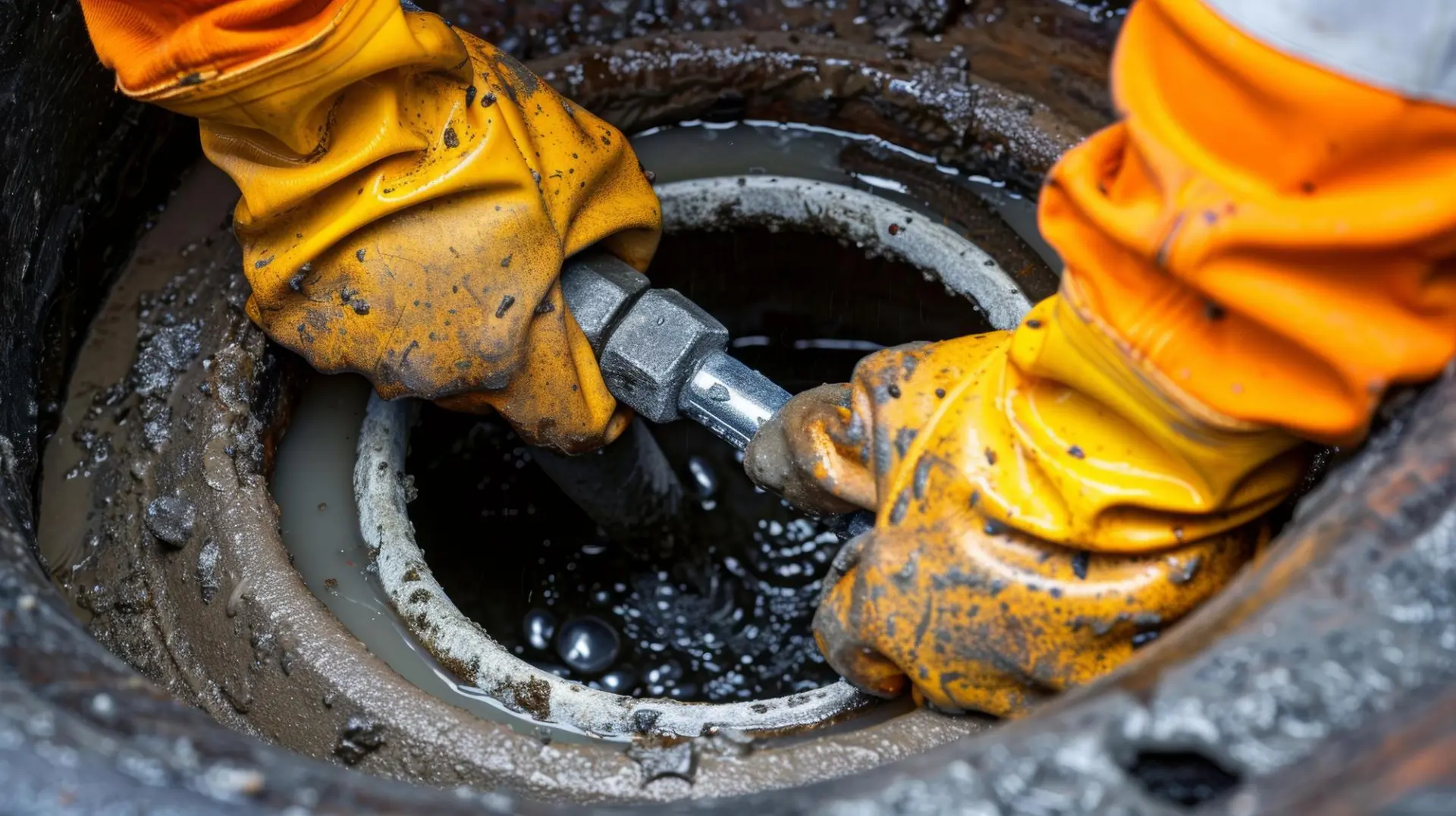
For businesses, the savings can be especially important. A drainage emergency may force areas to close, affect customers, and interrupt staff. For landlords, regular checks can reduce tenant complaints and protect the property. For homeowners, maintenance can prevent stress and costly household disruption.
There is also value in planning. Regular maintenance allows you to budget for drainage care instead of reacting to surprise problems. It can also help you decide when future repairs are needed, rather than waiting for a failure.
While maintenance has a cost, it is often a wise investment. It protects the property, supports hygiene, and lowers the risk of expensive emergencies. Over time, regular care can be far more cost-effective than only calling for help when drains have already failed or sudden property damage later.
Midlands Drainage Solutions LTD are your first choice for commercial drainage solutions in Crewe, Chester, Stafford and Stoke on Trent. Our specialists can handle both domestic and commercial drainage problems, providing peace of mind to property owners.