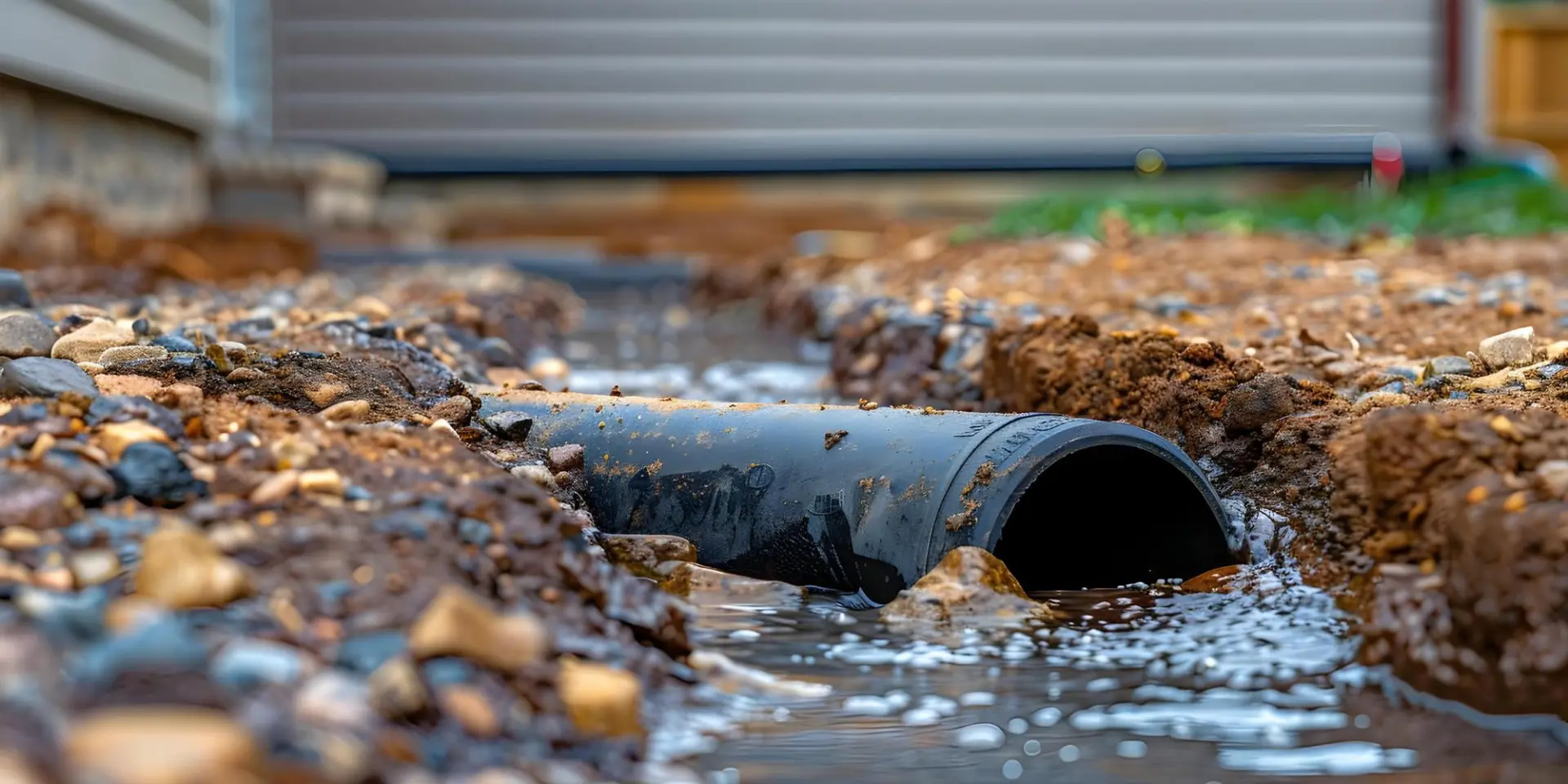
Discover the benefits of preventative drain maintenance to keep UK drains flowing freely, minimise costly repairs, and avoid unexpected blockages near Crewe.
Why Preventative Drain Maintenance Matters
Preventative drain maintenance matters because small drainage problems can quickly become costly and disruptive. Drains are used every day, but they are often ignored until water stops flowing, smells appear, or waste backs up. By that point, the issue may already be serious.
Regular maintenance helps keep drains clear and working as they should. It can remove early build-up from grease, soap, food waste, hair, leaves, silt, and other debris before it turns into a blockage. It can also reveal damage, such as cracks, displaced joints, or tree root growth.
This kind of care is useful for both homes and businesses. A blocked drain can affect comfort, hygiene, safety, and daily routines. For a business, it can also interrupt work and affect customers. Preventative maintenance gives you more control, reduces stress, and helps avoid sudden drainage problems when you least expect them, especially during busy periods or wet weather.
The Main Benefits of Preventative Drain Maintenance
Preventative drain maintenance offers several important benefits. It helps keep wastewater moving, lowers the chance of blockages, and reduces the need for urgent callouts. Instead of waiting for a drain to fail, maintenance deals with early build-up and small faults before they cause bigger trouble.
One of the main benefits is peace of mind. When drains are checked and cleaned at sensible times, you are less likely to face sudden smells, slow draining sinks, overflowing gullies, or backed-up toilets. This is especially useful in homes with large families, older pipework, or trees close to the drains.
Maintenance can also save money. Emergency repairs often cost more than planned visits, particularly when damage has already spread. A blocked or damaged drain can affect floors, walls, gardens, stock, equipment, and outdoor areas. Preventing that damage is usually easier than dealing with it later.
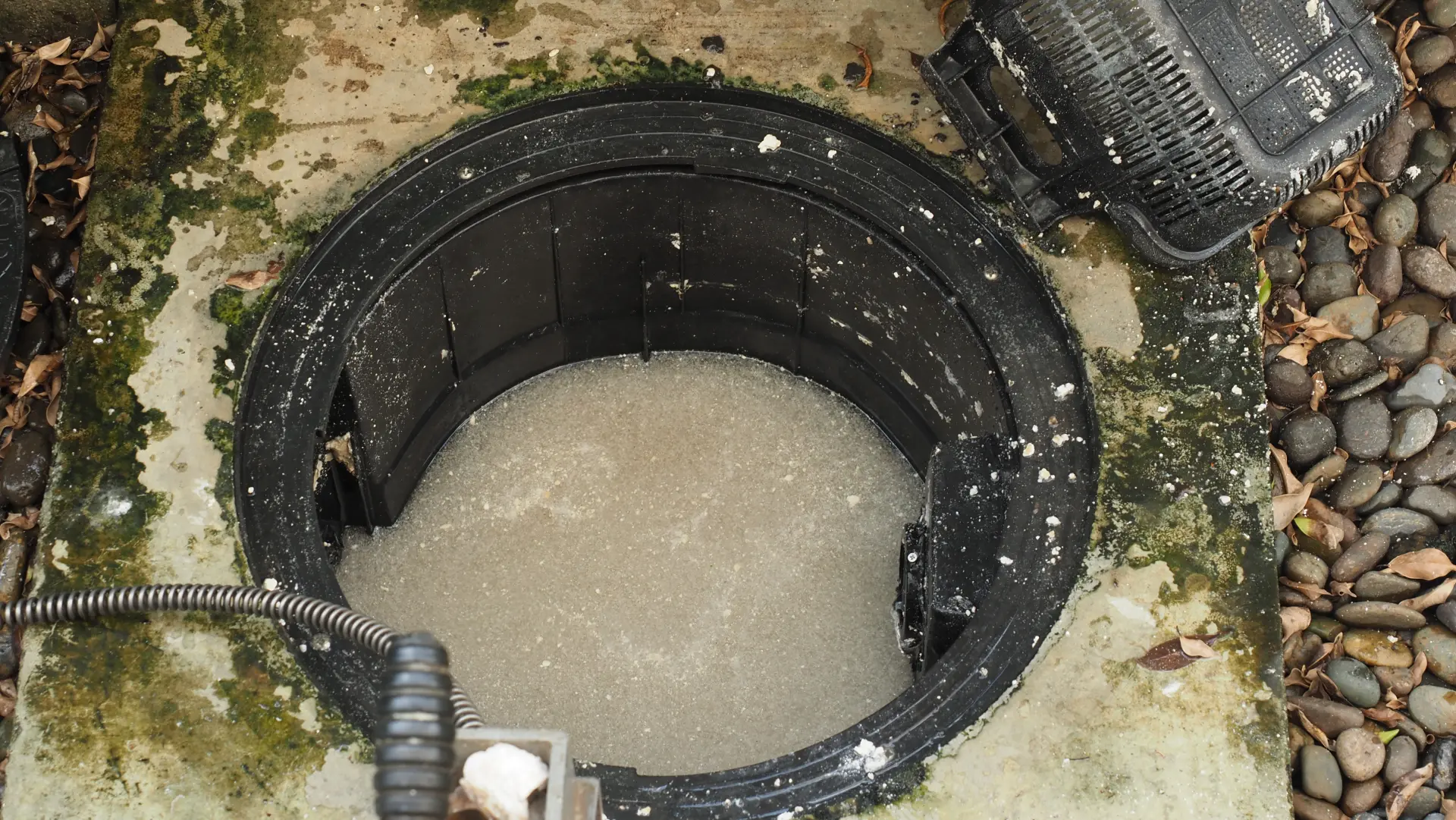
For businesses, the benefits can be even greater. Drain problems can stop work, upset customers, create hygiene concerns, and harm a company’s image. Regular maintenance helps keep premises safe, clean, and open.
Preventative care also supports the long life of the drainage system. By reducing pressure, removing debris, and spotting damage early, it helps drains perform properly for longer. This makes it a practical and sensible way to protect both property and daily routines. This supports better long-term planning overall too.
Helps Prevent Blocked Drains
Blocked drains are one of the most common drainage problems, and they can be unpleasant to deal with. Preventative maintenance helps stop blockages by removing material before it builds up enough to slow or stop the flow of water.
In homes, blockages can be caused by fat, oil, food waste, hair, soap, wipes, leaves, and small objects. In businesses, drains may also face heavier use, food waste, cleaning products, packaging, and outdoor debris. These materials can settle inside pipes and grow into a larger blockage over time.
Regular cleaning helps keep the pipe clear. It can also show where water is moving slowly, which may point to a deeper issue. By acting early, you can avoid overflowing drains, bad smells, slow sinks, and toilet problems. This makes preventative drain maintenance a simple way to keep everyday drainage running smoothly. It also helps after storms. Planned cleaning supports better flow daily.
Reduces the Risk of Emergency Repairs
Emergency drain repairs are often stressful because they happen without warning. A drain may block, overflow, or collapse at a time when it causes the most disruption. Preventative maintenance reduces this risk by finding and dealing with smaller issues before they become urgent.
During a planned maintenance visit, drains can be cleaned, checked, and tested. If there is a build-up of grease, silt, scale, or tree roots, it can often be removed before it causes a full blockage. If there are signs of damage, such as cracks, loose joints, or poor water flow, these can be investigated further.
This planned approach is usually far easier than waiting for a problem. Emergency repairs may involve callout charges, urgent labour, cleaning, and possible damage to the property. There may also be disruption to bathrooms, kitchens, outdoor spaces, or business operations.
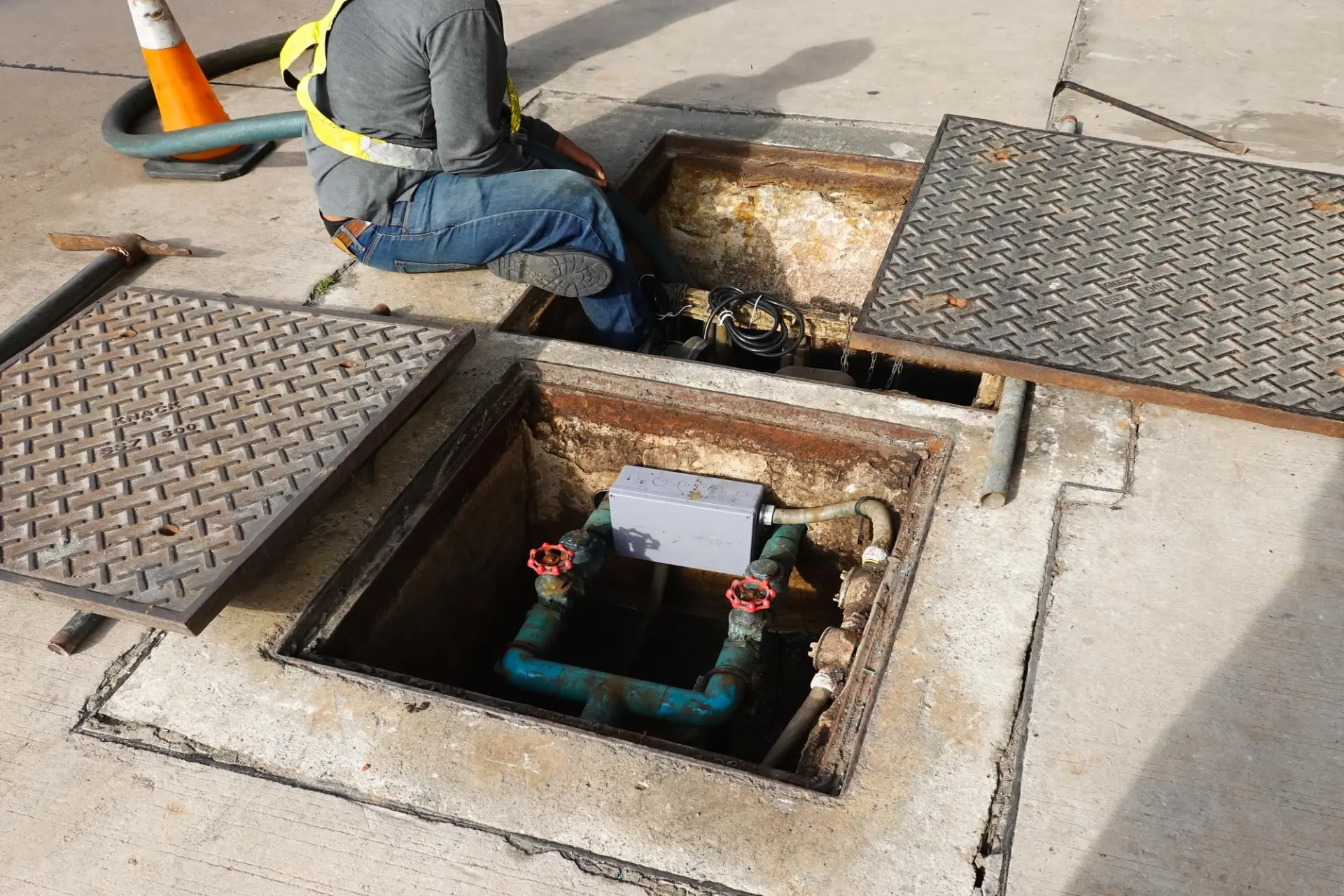
For commercial sites, avoiding emergencies is especially important. A drainage failure can mean closing part of a building, moving staff, cancelling bookings, or upsetting customers. In some settings, such as food service or healthcare, drainage problems can also create hygiene concerns.
Preventative maintenance does not remove every possible risk, but it greatly reduces the chance of sudden failure. It turns drainage care into a planned task rather than a crisis. That makes costs easier to manage and gives property owners more confidence in their drainage system. It also helps you choose suitable repair dates, gather quotes, and avoid rushed decisions under pressure, which is often when mistakes are made too.
Saves Money Over Time
Preventative drain maintenance can save money over time because it deals with problems while they are still small. A simple clean or inspection is usually much cheaper than repairing damage caused by a serious blockage or collapsed pipe.
When drains are ignored, pressure can build inside the system. Wastewater may back up, overflow, or leak into areas where it can damage floors, walls, gardens, and foundations. Cleaning and repairs after this kind of problem can become expensive.
Planned maintenance is easier to budget for than emergency work. It also helps avoid extra costs, such as damage repairs, business downtime, deep cleaning, or replacement pipework. In many cases, regular care can delay the need for major drainage work.
The saving is not only financial. It can also reduce stress, mess, and disruption. For many property owners, prevention is a cheaper and calmer choice than waiting for a failure. This protects budgets.
Helps Drains Last Longer
Drains are built to last, but they still need proper care. Over time, pipes can be affected by grease, grit, silt, tree roots, ground movement, heavy use, and general wear. Preventative maintenance helps drains last longer by reducing the strain placed on the system.
When pipes are clear, water and waste can move through them more easily. This reduces pressure inside the drain and lowers the risk of leaks, cracks, and repeated blockages. Removing debris also helps stop rough material from sitting inside the pipe and causing further wear.
Maintenance can also identify early signs of damage. A small crack, loose joint, or root entry point may be easier to repair when found early. If left alone, the same problem can grow and lead to more serious failure.

This is important for older properties, where drainage systems may already have age-related weakness. It is also useful for busy homes and commercial buildings, where drains handle frequent use every day.
Looking after drains is similar to looking after a boiler, roof, or car. Regular attention helps the system work for longer and reduces the risk of sudden breakdowns. It also helps owners plan repairs before they become urgent.
By keeping drains clean, checking their condition, and dealing with early faults, preventative maintenance protects the useful life of the whole drainage system. This can help avoid early replacement and keep the property running more smoothly. This steady care supports reliable use year after year and helps avoid unnecessary pressure on older pipework.
Improves Drainage Performance
Good drainage performance means water leaves sinks, baths, showers, toilets, gullies, and outdoor areas quickly and safely. When drains are partly blocked, water may drain slowly, make gurgling sounds, or leave unpleasant smells behind.
Preventative maintenance improves performance by clearing grease, silt, hair, soap, and other build-up from the pipework. This helps water move through the system without delay. It can also reduce the chance of waste settling in the pipe and causing repeated problems.
Outdoor drains can also benefit. Leaves, mud, and debris can collect in gullies and channels, especially after heavy rain or windy weather. Regular clearing helps surface water drain away from paths, driveways, and entrances. Better drainage performance makes everyday life easier. It keeps kitchens, bathrooms, yards, and business areas cleaner, safer, and more comfortable. It also helps reduce strain on the wider system. Clear drains also help appliances work well. Daily use becomes easier too.
Helps Spot Problems Early
Preventative drain maintenance helps spot problems early, before they become larger and more expensive. Many drainage faults develop slowly. A pipe may start to crack, a joint may move, roots may enter the system, or grease may build up over months. At first, the signs can be easy to miss.
Regular maintenance gives you the chance to notice these issues sooner. A drainage specialist may see warning signs such as slow water flow, repeated build-up, damp patches, unusual smells, or signs of damage inside the pipe. In some cases, a drain camera survey may be used to see what is happening below ground.
Early discovery is important because drainage problems often get worse when ignored. A small root entry point can turn into a serious blockage. A minor crack can grow into a collapse. Slow drainage can become a full back-up of wastewater.

When issues are found early, there are usually more repair options. The work may be smaller, cleaner, and less disruptive. It may also cost less than waiting until the problem affects the property.
This benefit is useful for anyone responsible for a building. Homeowners can protect their living space, while businesses can reduce the risk of sudden closures or complaints. Regular checks give a clearer picture of the drainage system and make it easier to plan ahead.
Spotting problems early is one of the strongest reasons to choose preventative maintenance. It gives you time to act before a small fault becomes a major issue. Earlier action helps.
Reduces Bad Smells
Bad smells from drains can make a home or business unpleasant. They may come from trapped waste, grease, stagnant water, blocked gullies, or damaged pipework. Preventative drain maintenance helps reduce these smells by keeping the system clean and moving.
When waste sits inside a drain for too long, it can start to break down and release unpleasant odours. A partial blockage can also trap dirty water, making the smell worse. Regular cleaning removes much of this build-up before it becomes a problem.
Smells can also point to deeper issues, such as a dry trap, poor ventilation, or a damaged pipe. Maintenance can help identify where the smell is coming from and whether further work is needed. For businesses, odours can affect staff, visitors, and customers. For homes, they can make kitchens, bathrooms, and outdoor areas uncomfortable. Keeping drains clean is a simple way to keep the property fresher too indoors.
Helps Protect Your Property
Drain problems can cause real damage to a property. If water cannot flow away properly, it may back up, overflow, or leak into places where it should not be. Preventative maintenance helps protect your property by reducing the chance of these problems.
Blocked or damaged drains can affect floors, walls, basements, driveways, gardens, and foundations. Wastewater can be especially unpleasant because it may bring bacteria, strong smells, and staining. Cleaning up after an overflow can be difficult and costly.
Outdoor drainage is also important. If gullies or surface water drains are blocked, rainwater may collect around entrances, patios, paths, or lower parts of the building. Over time, this can increase the risk of damp, slippery surfaces, and water damage.
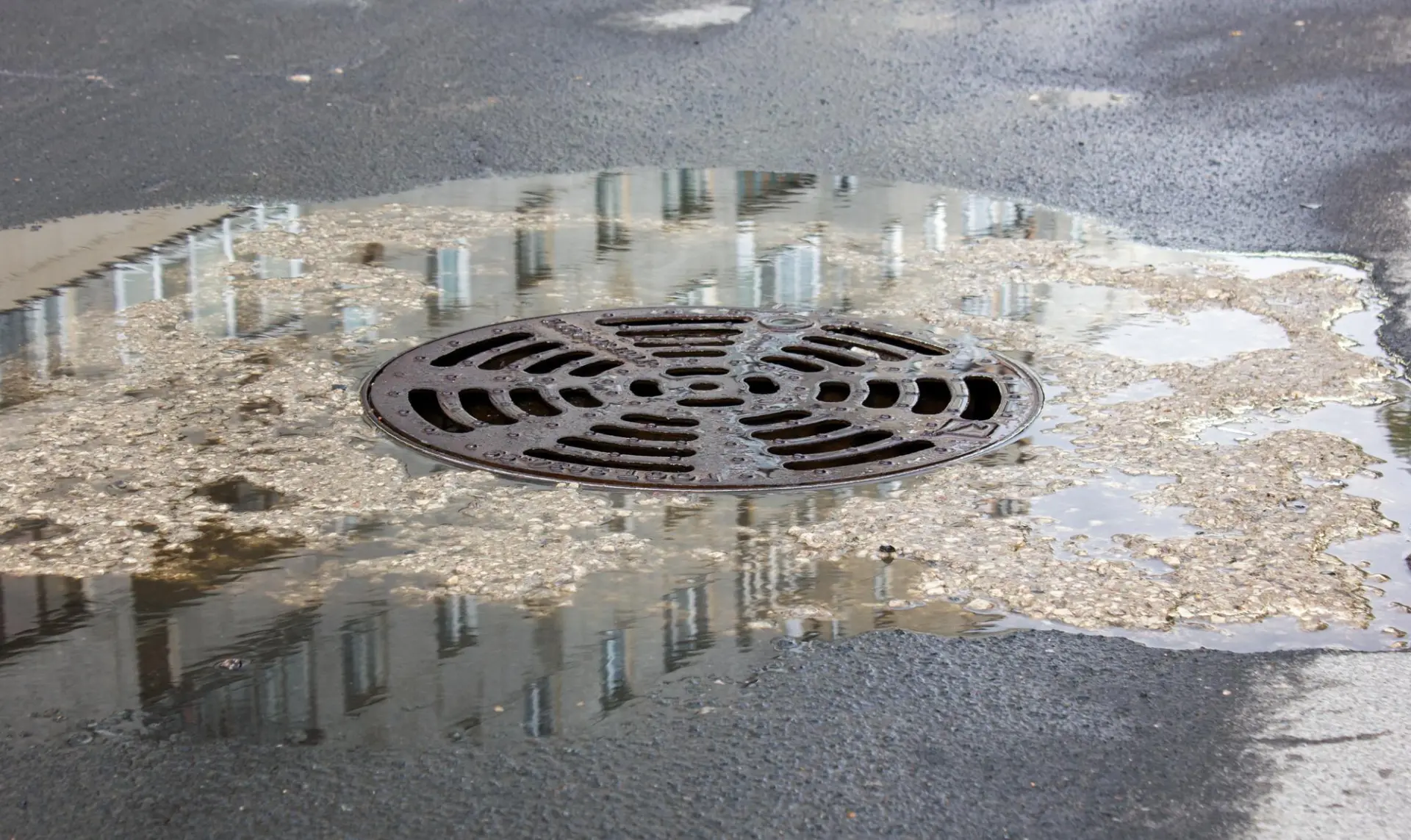
Regular maintenance keeps drainage routes clear and helps water move away from the property. It can also reveal hidden faults, such as cracked pipes or root damage, which may lead to leaks below ground.
Protecting the property is not only about avoiding visible damage. It is also about preserving comfort, hygiene, and value. A building with repeated drainage problems can become harder to use and more expensive to manage.
Preventative maintenance gives property owners a better chance of avoiding these issues. By keeping drains clear and checking their condition, it helps protect the building from avoidable water damage and disruption. It is a practical step that supports the long-term care of the whole property. Regular care can also show that sensible steps were taken.
Supports Health and Safety
Preventative drain maintenance supports health and safety by helping keep wastewater where it belongs. Blocked or damaged drains can lead to overflows, bad smells, standing water, and dirty surfaces. These issues can create risks for people using the property.
Wastewater may contain harmful germs, so it should not be allowed to back up into kitchens, bathrooms, yards, or work areas. Standing water can also make floors and outdoor surfaces slippery, increasing the risk of falls.
Regular maintenance helps reduce these risks by keeping drains clear and working properly. It can also identify damage that may allow waste or foul smells to escape. Health and safety is especially important for businesses, landlords, schools, care settings, and food premises. However, it matters in homes too. Clean, working drains help protect daily hygiene and make the property safer for everyone who uses it. It also supports cleaner workplaces and safer access daily too.
Useful for Homes and Businesses
Preventative drain maintenance is useful for both homes and businesses because every property depends on drains working properly. In a home, drainage problems can affect kitchens, bathrooms, utility rooms, gardens, and driveways. Even a small blockage can cause stress, mess, and inconvenience.
Regular maintenance is helpful for family homes, older houses, rental properties, and homes with trees nearby. It can also be useful after building work, when dust, cement, or debris may enter drains. Keeping the system clear helps avoid unpleasant surprises and protects everyday routines.
For businesses, the need can be even greater. Restaurants, cafes, hotels, shops, offices, factories, and public buildings often place heavy demand on drainage systems. Food waste, grease, cleaning water, large numbers of users, and outdoor debris can all increase the risk of blockages.

A drainage failure in a business can lead to lost income, customer complaints, staff disruption, hygiene concerns, and possible closure of affected areas. Preventative maintenance helps reduce that risk by keeping drains in better condition throughout the year.
It also supports planning. Businesses can arrange maintenance at quieter times rather than waiting for an emergency during opening hours. Landlords and property managers can use regular checks to protect tenants and avoid repeated callouts.
Whether the property is large or small, the principle is the same. Preventing drainage problems is usually easier than dealing with them after they happen. This makes maintenance a sensible choice for homes, businesses, and managed properties alike. Maintenance records can also help owners plan improvements clearly too.
What Is Included in Preventative Drain Maintenance?
Preventative drain maintenance can include several simple but important tasks. The exact work depends on the property, the drainage system, and any known issues. A basic visit may include checking drains, gullies, manholes, outlets, and visible pipework.
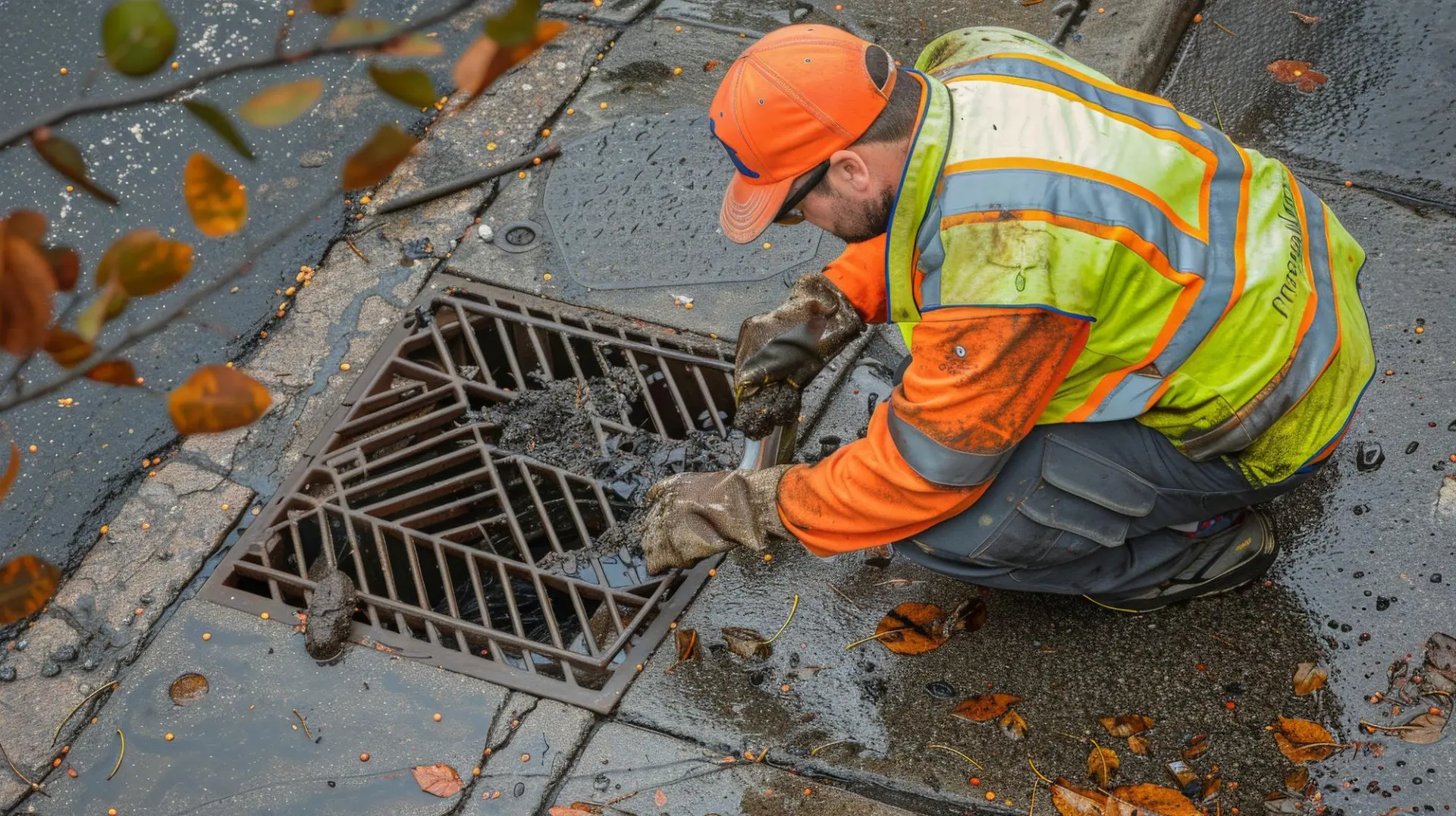
Cleaning is often a key part of the service. This may involve removing grease, silt, leaves, hair, soap residue, and other debris from the system. Outdoor drains may need clearing so rainwater can flow away properly. A specialist may also look for warning signs, such as slow drainage, strong smells, standing water, cracks, or root growth. In some cases, a camera survey may be recommended to inspect pipes below ground.
Maintenance may also include advice on how to avoid future problems. This can cover what not to flush, how to manage grease, and when further checks are needed. The aim is to keep drains clear, safe, and reliable. Records may also be kept.
How Often Should Drain Maintenance Be Carried Out?
How often drain maintenance should be carried out depends on the property and how heavily the drains are used. Some homes may only need a planned check once a year, especially if there have been no past problems. Other properties may need more frequent attention.
Homes with older drains, large families, trees nearby, or a history of blockages may benefit from checks every six months. If there are outdoor gullies that collect leaves or mud, these may need clearing more often, especially after autumn or heavy rain.
Businesses usually need a more regular schedule. Food businesses, hotels, care homes, schools, and busy public buildings may place much greater demand on their drainage systems. Grease, food waste, high footfall, and frequent cleaning can all increase the risk of build-up. For these sites, maintenance may be needed quarterly, monthly, or at another interval based on risk.
The right schedule should be based on evidence. If drains keep blocking, smell bad, or drain slowly, they may need more frequent care. A camera survey or professional inspection can help decide the best plan.
It is also sensible to arrange maintenance before busy periods. For example, a restaurant may want checks before holiday trade, while a homeowner may want gutters and gullies cleared before wetter months.
There is no single rule for every property. The best approach is to consider age, use, past problems, and the level of disruption a blockage would cause. Regular planned care keeps the system more reliable. Reviews help regularly overall.
Final Thoughts on Preventative Drain Maintenance
Preventative drain maintenance is a way to protect your home or business from avoidable drainage problems. It helps prevent blocked drains, reduces emergency repairs, saves money over time, and keeps wastewater moving safely through the system.
The benefits are practical and easy to understand. Clean drains perform better, smell fresher, and are less likely to overflow. Regular checks can also reveal early signs of damage, giving you time to deal with faults before they become serious.
This type of maintenance is useful for many properties, from small homes to busy commercial sites. The right schedule will depend on the age of the drains, how often they are used, and whether problems have happened before. Although maintenance cannot prevent every issue, it greatly reduces risk. It also gives property owners more control. Instead of waiting for a blockage or overflow, you can take planned action to keep drains clear and reliable.
Are you looking for Planned Preventative Drain Maintenance in Crewe, Chester, Stafford and Stoke On Trent? Our specialists can handle both domestic and commercial drainage problems, providing peace of mind to property owners.